
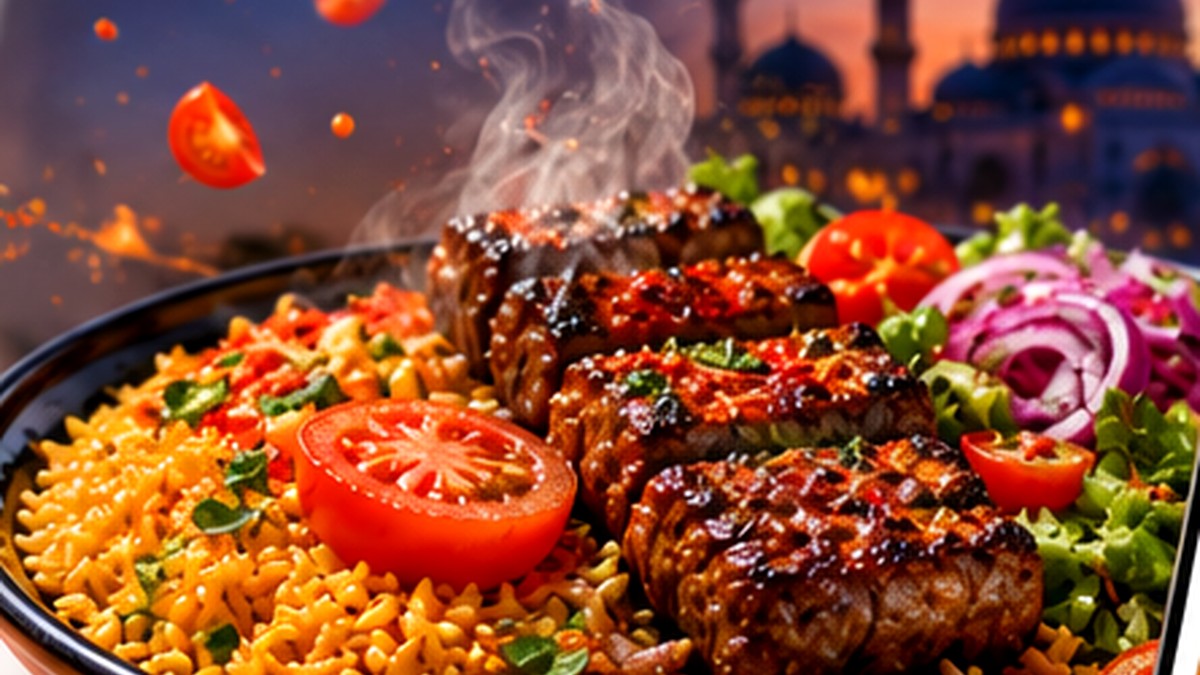
Buffets are attractive because they offer variety and make it easy for groups to eat different foods at the same table. They also create challenges that do not exist with individually plated meals: labels can move, serving utensils can be shared and food quality changes as dishes sit on the buffet.
Look for clear dish-by-dish labelling
A strong buffet does not rely on one halal sign at the entrance if the offering is mixed. Labels should make it clear which dishes are covered by the restaurant’s halal claim. If the entire buffet is halal, the restaurant should still be able to explain what that means.
Watch how serving utensils are organised
Guests can move spoons and tongs between trays. If cross-contact matters to your dietary practice or allergies, a buffet may require more questions than a plated menu.
Freshness depends on turnover
A busy buffet can have an advantage because trays are replaced frequently. At quiet times, food may sit longer. Look at how often staff replenish dishes and whether hot food is genuinely hot.
Compare price with what you actually eat
An all-you-can-eat price is good value for some diners and poor value for others. Children’s pricing, drinks and premium items can change the total. Compare the full bill with a normal à la carte meal.
Buffets are useful for mixed groups
Vegetarian dishes, salads, grilled food and desserts can make a buffet easy for families and groups. For serious allergies, however, the open serving environment can be difficult. Speak to staff before paying if allergen separation is important.
Arrive at a time when the full selection is available
Some buffets reduce the range near closing or between lunch and dinner. If you are paying a fixed price for choice, ask when the full buffet is normally set out. Arriving very late may give poorer value.
Live-cooking stations can improve freshness
Grill, noodle or carving stations prepare food to order and reduce the time it sits in a tray. They also give you an opportunity to ask the cook about ingredients, though shared grills can still matter to some diners.
Drink packages can change the real price
Some buffet prices include soft drinks; others charge separately or require a drinks package. Families should calculate the full per-person cost before comparing venues.
Children’s pricing is rarely standard
Restaurants may price by age, height or a fixed child rate. If you have several children, this can make a large difference to the bill. Check the rule before arrival.
Do not overfill the first plate
A buffet is more enjoyable when you try small portions and return for dishes you actually like. Taking too much at once creates waste and makes it harder to appreciate different foods.
Busy buffets need good queue design
When a restaurant is full, narrow buffet aisles can become frustrating. Reviews mentioning long queues or empty trays are worth noting, especially if you are booking a large group at peak time.
Inspect the vegetarian section separately
A buffet with many meat dishes can still be a poor fit for vegetarian guests if the non-meat options are only salads and rice. For mixed groups, look for complete vegetarian mains and ask whether serving utensils stay with their own trays.
Premium items may have separate limits
Some all-you-can-eat restaurants limit steak, seafood or special dishes to one portion or require ordering them from staff. Read the conditions before assuming the headline buffet price includes unlimited access to everything.
Time limits can affect relaxed group meals
Buffets often use fixed sessions. Ninety minutes may be plenty for a quick family meal and too short for a birthday group that wants to talk between courses. Check the session length before booking.
Hygiene and temperature control are visible quality signals
Look for clean serving areas, covered or protected food where appropriate and staff who replace utensils when needed. These observations do not determine halal status, but they help you judge how professionally the buffet is managed.
Compare weekday and weekend buffet formats
Some restaurants expand the buffet at weekends or evenings and charge a different price. Check the exact session you intend to visit, because reviews of a large Saturday buffet may not describe the smaller weekday lunch selection.
For a first visit, walk past the full buffet before filling your plate. You can then decide which dishes are worth trying instead of discovering the best options after you are already full.
Frequently asked questions
Are all dishes at a halal buffet necessarily halal?
Not unless the restaurant says the entire buffet is halal. Mixed buffets need clear labelling and confirmation.
Are buffets good for large groups?
Yes, because guests can choose independently and service is less dependent on taking many individual orders.
What should someone with a severe allergy do at a buffet?
Talk to the restaurant before eating. Shared utensils and open trays can create cross-contact risks.
Browse the restaurant guide or read more halal food and restaurant guides.