
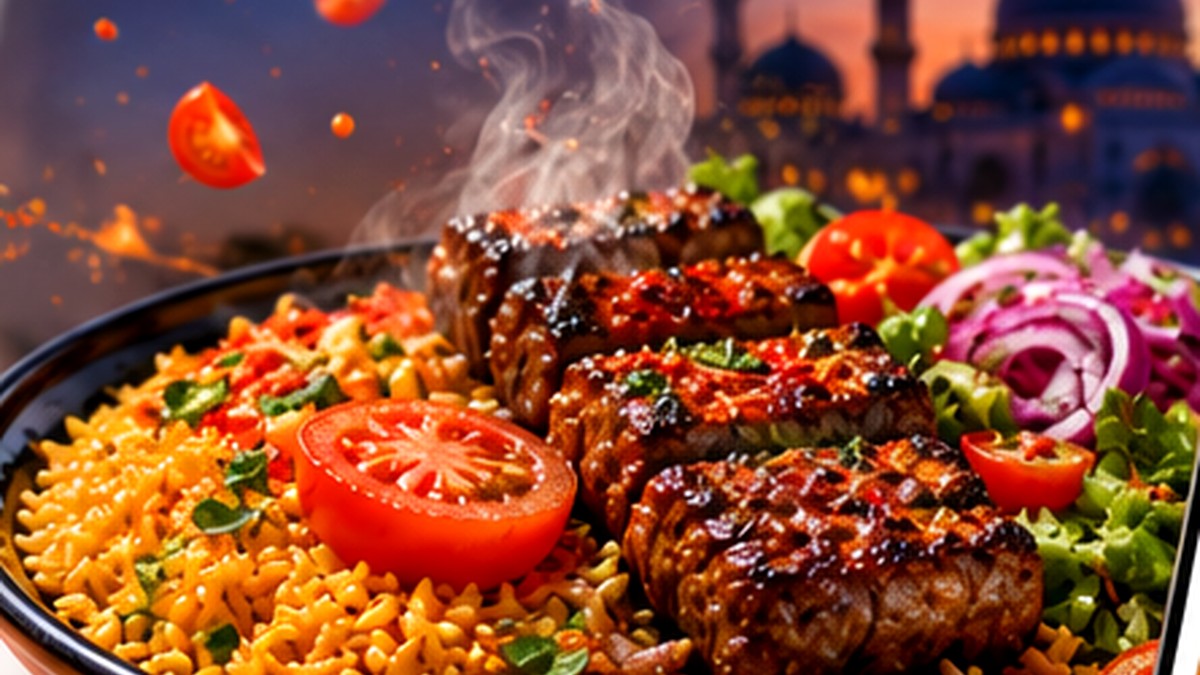
Indian restaurant menus can be extensive, which is excellent for choice but not always easy for a first visit. Curries, tandoor dishes, biryani, breads, street-food starters and regional specialities may all appear on the same menu.
For halal diners, the most useful approach is to separate two questions: which meat is halal, and which dishes suit your preferred flavour, spice level and dietary needs.
Confirm which meats the restaurant identifies as halal
Some Indian restaurants use halal chicken and lamb across the menu. Others may have a mixed sourcing policy. Read the restaurant’s current statement and ask about a specific dish when the information is not clear.
Tandoori meat, curry meat and kebab items can sometimes come through different supply chains, so a precise question is more reliable than assuming all proteins are handled identically.
Choose between curry, tandoor and biryani by cooking style
Curry dishes place more emphasis on sauce, spices and slow cooking. Tandoor dishes are cooked at high heat and often have a drier, smoky finish. Biryani combines rice, aromatics and meat or vegetables into one substantial dish.
If you are ordering for a group, choosing a mix of these styles creates variety without needing a large number of dishes.
Spice level is not the same as flavour intensity
A mild curry can still contain many spices, while a hot chilli dish may have a simpler flavour profile. If you do not know a dish, ask staff whether it is mild, medium or hot and whether the kitchen can adjust the heat.
Regional names are more useful than assuming every restaurant follows a single scale. A dish called “medium” in one restaurant can be much hotter elsewhere.
Vegetarian choices are often a major strength
Indian menus can offer lentils, chickpeas, paneer, vegetables and breads that make group dining easier. Vegetarian does not automatically answer every halal or allergen question, but it can broaden the options for mixed groups.
Allergens deserve careful attention
Nuts, dairy, sesame and gluten can appear in sauces, breads and desserts. If you have an allergy, tell the restaurant clearly and ask about cross-contact. Do not assume a dish is nut-free because no nuts are visible.
Shared dishes can make the meal better value
Ordering several curries with rice and bread for the table often gives more variety than one main course per person. For large groups, ask whether the restaurant offers set menus or sharing packages. These can simplify ordering and keep the bill predictable.
Delivery works best when you choose dishes that travel well
Curries and biryani generally travel well. Fried starters and naan are more sensitive to time and steam. If ordering from far away, consider reheating instructions or collect the order when practical.
Regional specialities can help you discover better restaurants
“Indian food” covers many regional traditions. A restaurant focusing on South Indian dosa and vegetarian dishes will feel very different from a North Indian or Punjabi grill-and-curry menu. Read the restaurant’s description and signature dishes rather than expecting every venue to offer the same classics.
Breads affect both budget and the balance of the meal
Naan, roti, paratha and other breads have different textures and ingredients. Butter or ghee can add richness, while stuffed breads can be almost a meal in themselves. When sharing, order fewer breads at first and add more if needed; over-ordering bread is an easy way to waste food.
Set menus can be useful for first-time diners
A well-designed set menu lets a group try starters, curries, rice and dessert without making ten separate decisions. Check whether drinks and service charges are included and whether the restaurant can adjust the set for vegetarians or allergies.
Take spice recommendations seriously
If staff warn that a dish is very hot, they know their kitchen better than a generic online scale. You can always add chilli at the table more easily than you can remove it from a sauce. For mixed groups, order at least one mild dish.
Leftovers can be practical
Curries often reheat well when chilled and stored safely. If you cannot finish the meal, ask whether the restaurant can package leftovers and follow normal food-safety guidance once you leave.
Check whether rice is included with curry
Some restaurants include rice with a main curry and others price it separately. The difference can change the final bill substantially for a group. Read the menu notes before comparing headline prices between restaurants.
Frequently asked questions
Is chicken tikka always halal?
No. The dish name describes preparation, not sourcing. Check the individual restaurant.
Can Indian food be mild?
Yes. Many dishes are mild or can be adjusted, though the restaurant may not be able to change every pre-prepared sauce.
Are vegetarian Indian dishes automatically vegan?
No. Ghee, yoghurt, cream and paneer are common. Ask if you need a vegan dish.
Browse the restaurant guide or read more halal food and restaurant guides.