
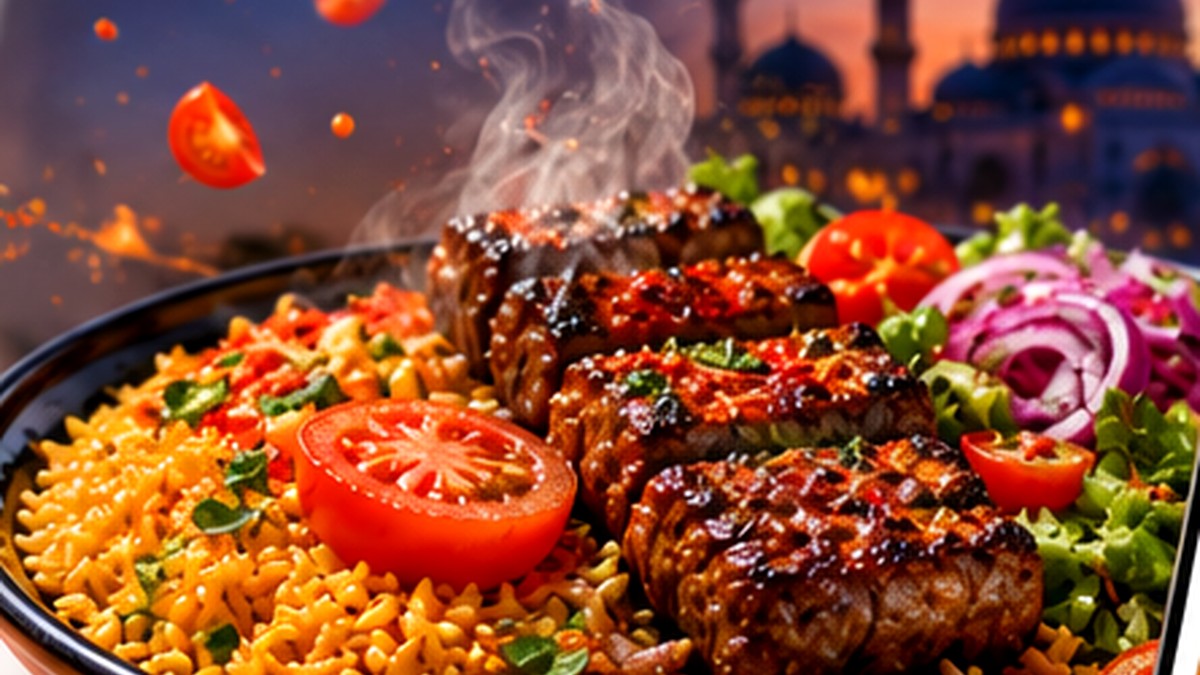
Food can become one of the largest daily travel expenses, especially when every meal is bought in tourist areas. Halal travellers can keep costs under control without eating the same fast food every day by combining restaurant meals with smarter timing and location choices.
Make lunch your main restaurant meal
Many restaurants offer lower-priced lunch menus or smaller portions during the day. If you want to try a more expensive restaurant, lunch can provide the same kitchen at a lower total cost than dinner.
Search outside the main tourist streets
A neighbourhood one or two transit stops away can have lower rents and more local customers, which often means better-value restaurants. Compare travel cost and time, because a cheap meal is not a saving if you spend heavily on transport to reach it.
Use takeaway for one meal a day
Takeaway counters can offer generous portions without table-service prices. Kebabs, rice bowls, pizza and grilled chicken are practical options. Eat in a park or at your accommodation when local rules and weather make that comfortable.
Check supermarkets for simple backup food
Breakfast, fruit, bread, yoghurt and packaged products from a supermarket can reduce the need to buy three restaurant meals a day. Read ingredient labels and certification information according to your own requirements.
Share large portions when appropriate
Mixed grills, pizza and family platters can cost less per person than several individual meals. Check serving size and make sure the group actually wants the same food before ordering a large platter.
Avoid paying convenience prices by accident
Airports, attractions and hotel districts often cost more. Plan one nearby affordable restaurant before you arrive in each city so hunger does not force a last-minute expensive choice.
Set a daily food budget before the trip
Choose a realistic amount for breakfast, lunch, dinner and snacks, then decide where you want to spend more. If one special restaurant is important, save money on another meal rather than discovering at the end of the day that the budget is gone.
Accommodation with a kitchen can change the calculation
An apartment or hostel kitchen can reduce food costs, but only if you actually plan to use it. Buy simple ingredients in small amounts and avoid wasting money on large packages you cannot finish before moving to the next city.
Public transport passes can make cheaper neighbourhoods accessible
If you already have an unlimited day pass, travelling a few stops for a better-value restaurant costs no extra. Without a pass, add the transport fare to the meal price before calling it a saving.
Search in the local language too
Budget restaurants may have weak English-language marketing. A local-language search for halal food, kebab, grill or takeaway can reveal neighbourhood venues that do not rank for English tourist queries.
Carry a small emergency snack
A packaged snack can stop hunger from turning into an expensive impulse purchase at an airport or attraction. Check ingredients when buying it and replace it after use.
Track service charges and tipping customs
The menu price is not always the final price. Service charges and local tipping practices differ. Read the bill and local guidance so you budget fairly without paying the same service twice.
Compare breakfast-included hotels honestly
A room with breakfast can be good value if the buffet has food you can actually eat. If you will skip most of it because the ingredients are unclear, a cheaper room near a supermarket may be better. Ask the hotel about breakfast options before paying extra.
Free water rules differ by country and restaurant
Tap water may be free, unavailable or charged depending on local practice. Drinks can materially increase a budget meal, so check menu prices rather than assuming the system works like home.
Use one special meal as an anchor
Budget travel does not mean avoiding memorable restaurants. Choose one dinner you are excited about and organise cheaper meals around it. This creates a better trip than spending a medium amount on three forgettable meals every day.
Avoid false savings from very distant restaurants
A restaurant that is five euros cheaper is not a bargain if reaching it costs four euros in transport and an hour of sightseeing time. Compare total cost and convenience.
Keep receipts if you are travelling for work
Business travellers may be able to expense meals, but local receipt formats differ. Ask for a proper receipt at the time of payment rather than trying to recover one days later. It also helps you track the real daily food budget.
Συχνές ερωτήσεις
Is halal food always more expensive while travelling?
No. Price depends heavily on city, restaurant type and location. Takeaway and neighbourhood restaurants can be very affordable.
Are lunch menus usually cheaper than dinner?
Often, but not everywhere. Check current restaurant offers rather than assuming.
Can supermarkets help with halal travel?
Yes, particularly for breakfast and backup food. Check labels and sourcing according to your requirements.
Browse the restaurant guide or read more halal food and restaurant guides.