A menu is usually designed to sell dishes, not to answer every dietary question. Descriptions focus on flavour and presentation, which means important details can be hidden behind short terms such as “house sauce”, “special sausage” or “chef’s glaze”.
Reading a menu carefully does not require analysing every ingredient. It means knowing where uncertainty is most likely.
Look for the scope of the halal claim
Does the restaurant say the whole menu is halal, all meat is halal, or only selected dishes are halal? Those statements are different. If the menu uses icons, find the legend that explains them.
Watch for mixed-meat dishes
Pizzas, mixed grills, breakfast plates and sharing platters can contain several meat products. One halal ingredient does not automatically describe the others.
Ask what “house” ingredients contain
House sauces and dressings may have recipes that are not listed. If a specific ingredient matters to you, ask rather than trying to infer it from the dish name.
Seasonal and special menus deserve fresh checks
A seasonal dish may use a supplier or ingredient not present on the standard menu. The restaurant’s normal halal statement may still apply, but it is sensible to confirm when the special item is materially different.
Digital menus can be more current than printed menus
QR and online menus are easier to update, but links can also be forgotten. Check the date or compare with what staff are offering in the restaurant.
Descriptions can hide cooking alcohol
Words such as reduction, flambé, jus or certain classic sauce names can indicate alcohol, but not always. If avoiding alcohol is important, ask whether wine or spirits are used rather than relying on culinary terminology you may not know.
Menu sections can reveal partial halal policies
A restaurant might mark the chicken section as halal while leaving steak unmarked. Pay attention to where the label appears. A logo at the top of one page does not necessarily apply to every page of a long menu.
Children’s menus can use different suppliers
Nuggets, sausages and burger patties on children’s menus may be pre-prepared products that differ from adult dishes. Parents should check them separately when the restaurant’s halal statement is not explicit.
Set menus can contain hidden substitutions
Fixed-price menus sometimes say the chef may substitute ingredients depending on availability. If a particular component matters to you, ask how substitutions are handled.
Learn to distinguish ingredient questions from preference questions
“Does this contain alcohol?” is a factual ingredient question. “Is this very spicy?” is a preference question. Asking them separately helps staff give clear answers.
Photograph or save the menu when planning a group meal
If a group needs time to choose, save the current online menu and share the official link. Remind everyone that dishes and prices can change before the booking date.
When in doubt, choose the clearer dish
A restaurant visit should still be enjoyable. If one menu item requires several uncertain assumptions and another is clearly described, choosing the clearer option can be the simplest decision.
Prices can reveal whether sides are included
A steak or grill price that looks surprisingly low may cover only the protein. Read the section notes for rice, fries, salad or sauce. Comparing complete meals avoids choosing a restaurant on a misleading base price.
Symbols need a legend
Menus use icons for halal, vegan, vegetarian, spicy and allergens, but symbols are not universal. Find the legend rather than guessing what a green leaf or letter means.
Translated menus can lose nuance
Automatic translation is useful for discovery, but a culinary term may be translated literally or inconsistently. When a translated description affects a dietary decision, check the original wording or ask staff.
Ask whether daily specials follow the same policy
Blackboard dishes and chef specials can sit outside the printed menu. If the restaurant has a partial halal policy, confirm where the special fits before ordering.
Take service charges into account
Some menus state a mandatory service charge for large groups. It is not an ingredient issue, but it affects the total price and should be understood before a group meal.
Menu photography is not a contract
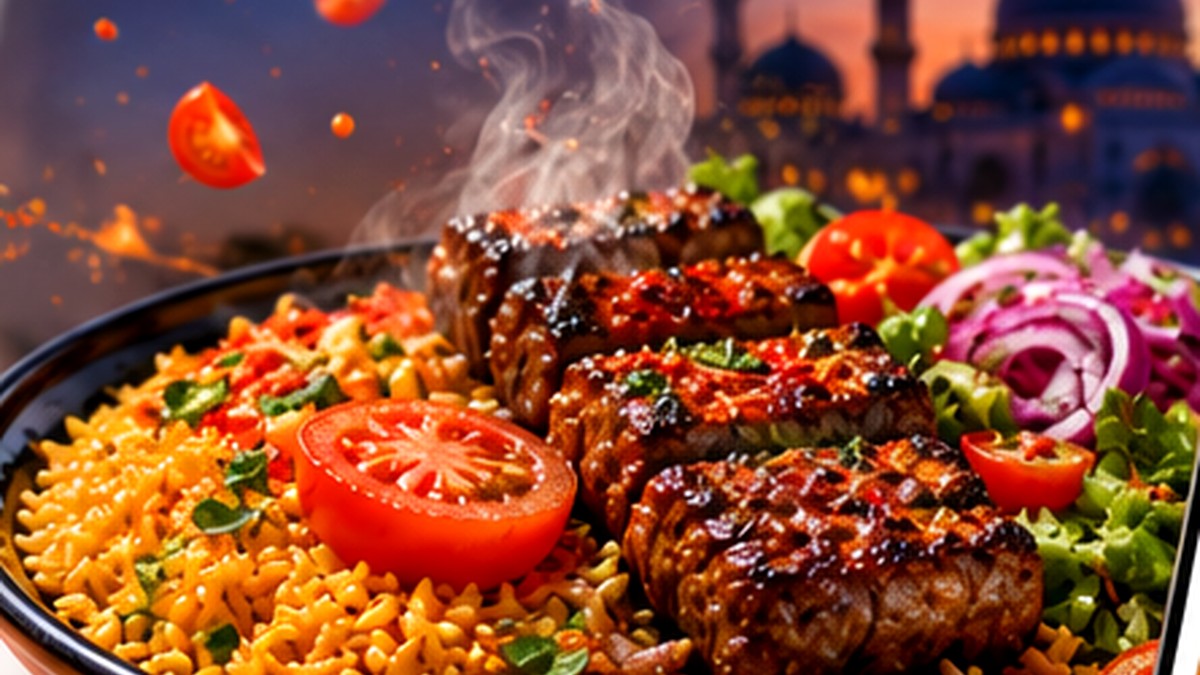
Professional photos can show garnishes or sides that change with season and availability. Use the written description for what is included and ask when a pictured ingredient matters to your dietary choice.
For group planning, encourage each guest to check their own dietary needs instead of asking one organiser to interpret the entire menu for everyone.
Frequently asked questions
Does a halal icon next to a dish mean the restaurant is certified?
Not necessarily. The icon can be the restaurant’s own labelling. Look for separate certification information if that matters to you.
Should I ask about every ingredient?
No. Focus on the points relevant to your own dietary requirements.
Why can online and printed menus differ?
Menus change with price, season and availability. Ask which version is current when they conflict.
Browse the restaurant guide or read more halal food and restaurant guides.